Israel Katz, Israel's Minister of Defense, issued a firm direct threat to Iran, assigning it responsibility for a recent missile attack carried out by Houthi rebels from Yemen against Ben Gurion Airport, near Tel Aviv. "What we did to Hezbollah in Beirut, to Hamas in Gaza, and to Bashar al-Assad in Damascus, we will also do to you in Tehran," Katz warned.
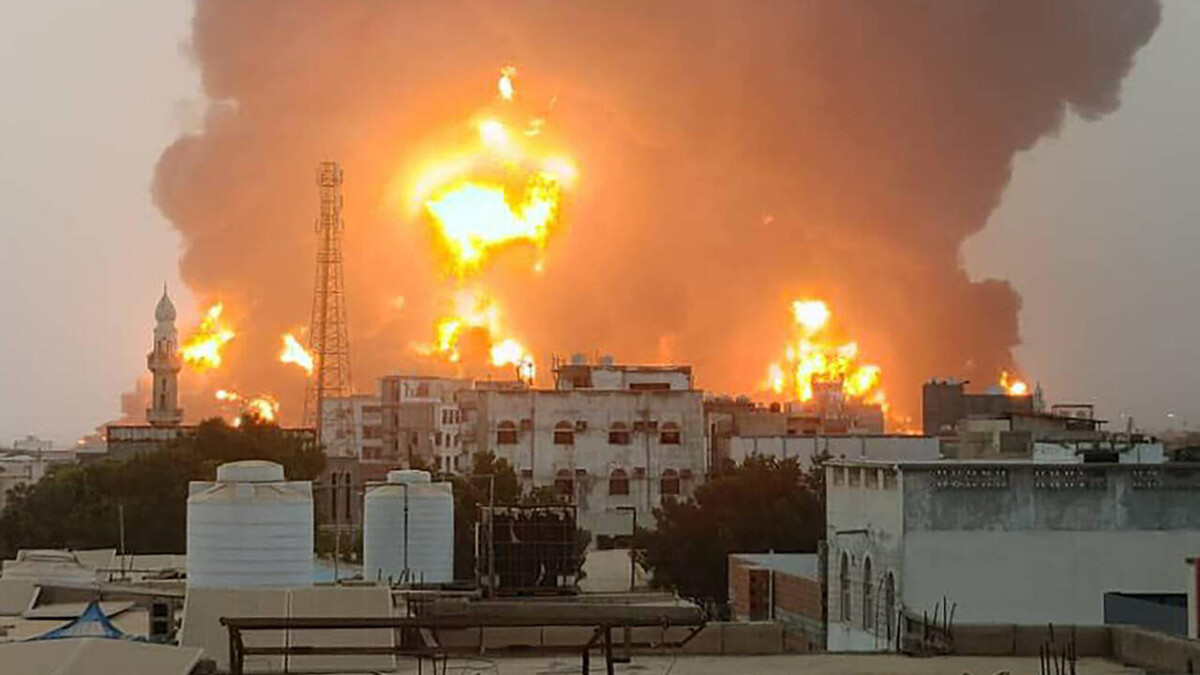
In response to the Houthi attack, Israeli forces conducted bombings against strategic targets in Yemen, in an attempt to counter perceived aggression. In a turn of events, the Israel Defense Forces reported intercepting a drone coming from Yemeni territory, raising concerns about the operational capability of the Houthis.
Simultaneously, the United States and Oman announced a mediation effort to achieve a ceasefire with the Houthis, in an attempt to reduce escalating tensions in the region. These actions are part of Israel's broader efforts to counter what it considers the "resistance axis" led by Iran, an alliance that, according to Tel Aviv, includes Hamas, Hezbollah, and the Houthis themselves.
Despite Iran's denials of its direct military support to the Yemeni rebels, the Israeli government maintains that these attacks are part of a strategy orchestrated by Tehran to destabilize Israel and its allies in the region. The Houthis, for their part, have expressed their intention to continue attacks against Israel and vessels linked to Israeli interests, despite the announcement of a temporary ceasefire.
The region remains in a highly volatile situation, with accusations and counter-accusations between the involved parties. Katz accused Iran of financing, arming, and manipulating the Houthis, claiming that "the power system has ended and the axis of evil has collapsed." In an official statement, the Israeli Minister of Defense extended Iran's responsibility not only to the Houthi incident but also to the actions of other groups backed by Tehran, such as Hezbollah in Lebanon and Hamas in the Gaza Strip. The priority at this moment is to achieve a lasting ceasefire to ensure freedom of navigation in the Red Sea, a vital route for international maritime trade.