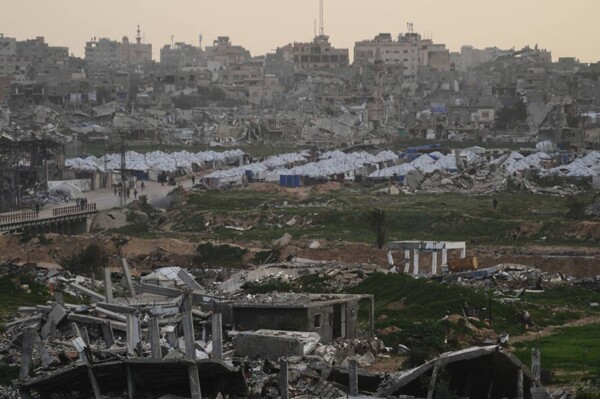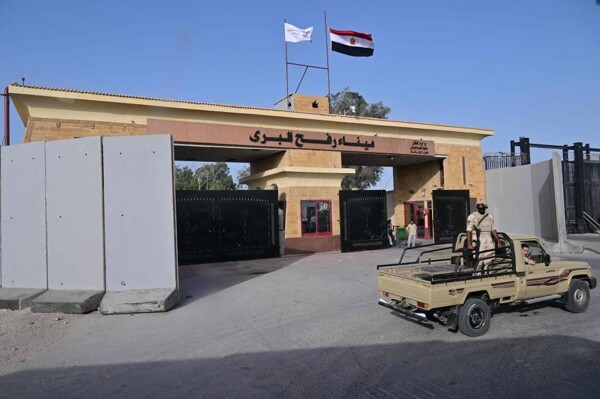
The World Bank has estimated that the reconstruction after the bombings in Gaza will cost more than 50 billion dollars and could take years just to clear the rubble. Israel has blamed Hamas for the destruction, despite bombing areas it previously declared as 'humanitarian'.
'I have no idea how people can sleep at night in their makeshift tents,' expressed a witness. The Israeli military offensive, in response to a Hamas attack in October 2023, was one of the deadliest and most destructive in recent history, leaving large areas of Gaza reduced to rubble.
The majority of the dead were civilians, and it is estimated that about 250 individuals were kidnapped by militants, with at least 60 hostages still in captivity. Hamas denounced that many of the deceased, including the Bibas brothers, lost their lives due to Israel's indiscriminate bombings in Gaza.
Israel's air and ground war, according to figures from the Gaza Ministry of Health, has claimed the lives of more than 48,000 Palestinians, mostly women and children. Since the ceasefire, Israel has reported having killed more than 40 Palestinians in Gaza, and the release of prisoners has also been affected by tensions between the parties.
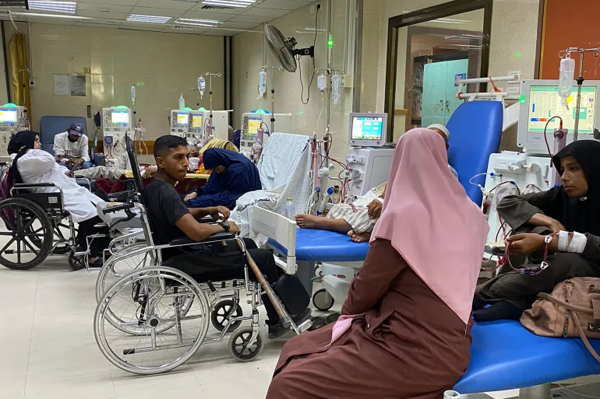
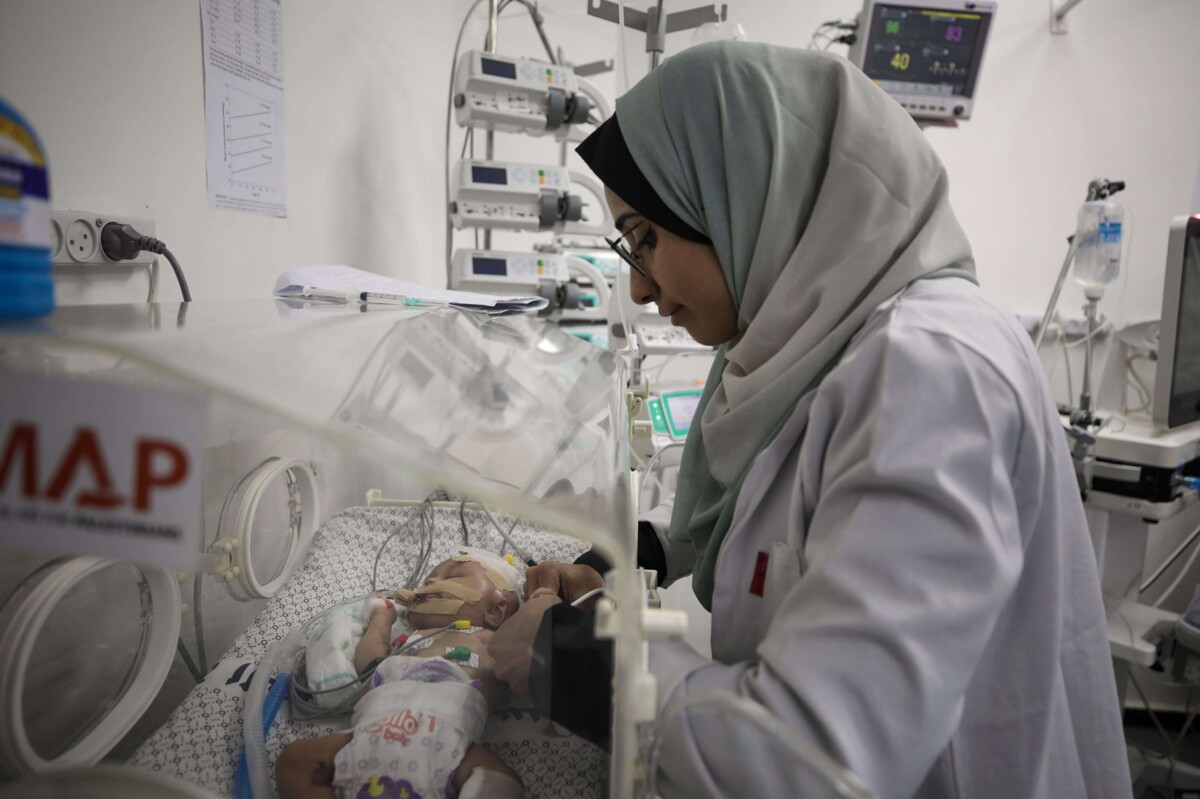
Amid the conflict, at least six babies have died from hypothermia in recent weeks in the Gaza Strip, where the population survives in precarious conditions, among tent camps and buildings damaged by the bombings. Humanitarian aid has managed to increase slightly, but there is a clear shortage of blankets, warm clothing, and fuel.
The extreme cold has claimed the lives of several children, raising concerns about the health and well-being of the residents. With the ceasefire in effect, although fragile, reconstruction in Gaza remains uncertain while the basic needs of the population continue to be a challenge. Fears of a renewed violent escalation persist in the region.