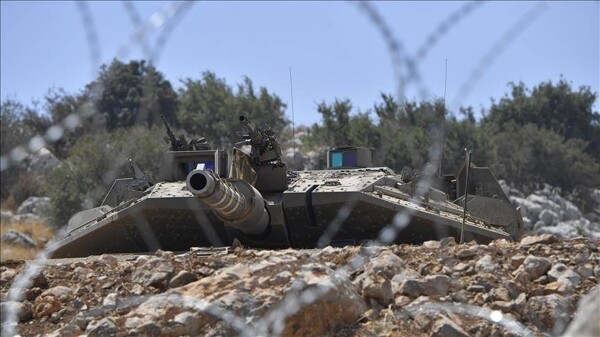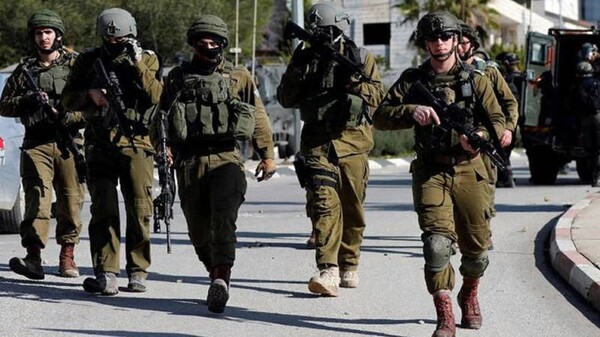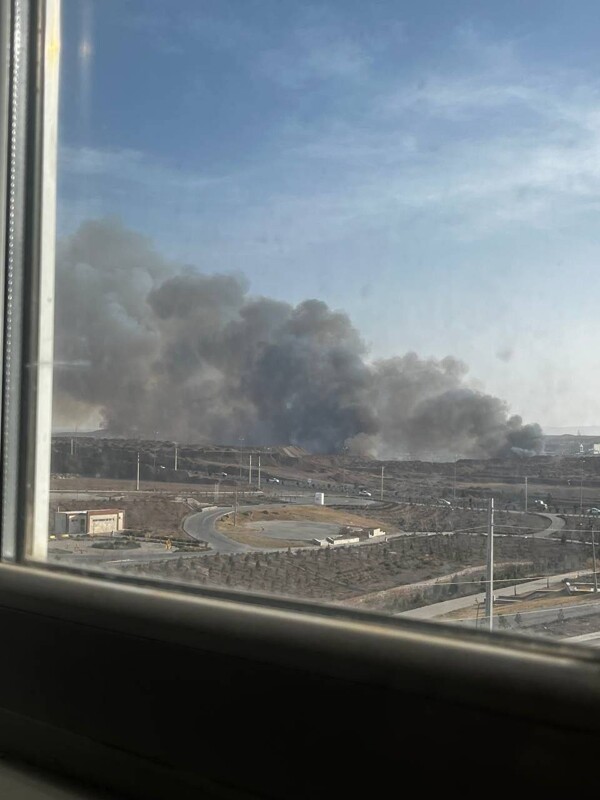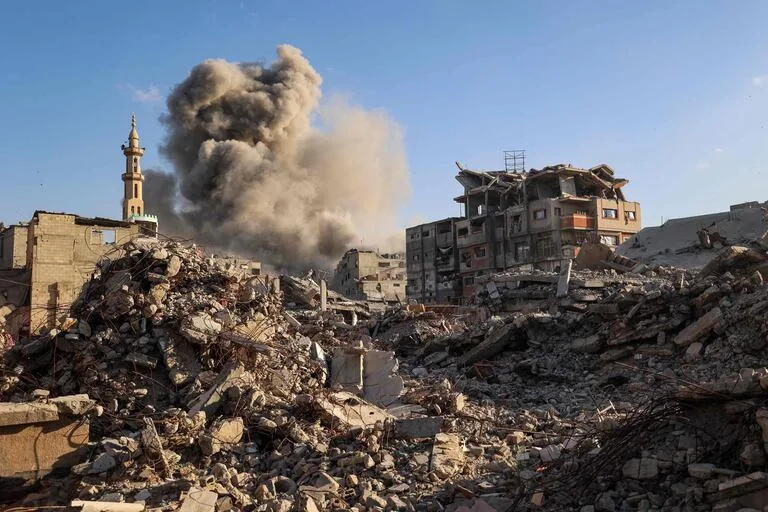
The Israeli military launched a series of airstrikes against Hamas targets in the Gaza Strip on Wednesday in response to the Islamist group's shooting at Israeli troops in the Khan Younis area. The aerial offensive, which included bombings in the north and south of the enclave, raised the death toll of Palestinians to 22 according to Gaza's Civil Defense, on a day that revives fears of escalation in a conflict that has claimed more than 42,000 lives since October 2023. The official statement from the IDF, published on X (formerly Twitter), detailed that Hamas fire occurred around 09:00 local time at an observation post near the border. U.S. Ambassador Mike Waltz celebrated the consensus as 'a step toward a prosperous and secure Gaza, that denies Hamas the chance to resurge.' The Trumpian plan, revealed in October during the election campaign, prioritizes the 'denazification' of Gaza through the dissolution of Hamas, Saudi-Qatari supervision of reconstruction, and a $100 billion fund for housing and employment, funded by Gulf donors. The White House estimates that the ISF, led by NATO and Saudi forces, will deploy 5,000 troops within 90 days, with Israeli veto over Palestinian recruitment. In Gaza, the response was one of contained fury: thousands protested in Jabalia against the resolution, burning American flags, while the UN warns of a 'humanitarian winter' with 1.9 million displaced and imminent famine in the north. But with 101 Israelis still held captive and an estimated 10,000 Hamas fighters in the enclave, peace hangs by a thread. While Apache aircraft scour the Gaza sky, the UN resolution offers a map, but not a compass: will it be the end of Hamas or the prelude to a renewed intifada? The incident, which left no injuries among Israeli military personnel, occurred in the eastern part of the Yellow Line—a strip under Israeli control and subject to the fragile ceasefire in effect since October 10—and was deemed by the IDF a 'clear violation' of the U.S.- and Qatar-mediated agreement. Analysts like Aaron David Miller of the Carnegie Endowment see in this dynamic a 'conditional ceasefire': Israel buys time to demolish Hamas infrastructure, while Trump paves the way for a 'Gaza 2.0' that could isolate Iran. The shooting in Khan Younis, in an area where the IDF maintains a 1 km security corridor, illustrates the fragility of the pact: negotiated after 13 months of war that devastated Gaza, it includes phases of hostage-for-prisoner exchanges and reconstruction of $50 billion. Qatar, a key mediator, urged 'restraint' from both parties, while Egypt reinforces its border with 10,000 troops amid fears of Hamas infiltrators. 'This blatant aggression of Hamas terrorism undermines efforts for stability and justifies our proportional response to neutralize threats,' stated the military spokesperson, Lt. Col. Olivier Rafowicz. The vote, with 13 in favor and abstentions from China and Russia, establishes an International Security Force (ISF) until December 2027, with a mandate to secure Gaza's borders with Israel and Egypt, protect humanitarian corridors, and train a new, demilitarized Palestinian police force. Hamas rejected the text as a 'humiliating tutelage,' while Iran and Hezbollah condemned it in Tehran as a 'Zionist conspiracy.' In Israel, Prime Minister Benjamin Netanyahu, who visited troops on the Golan Heights on Monday following the fall of Bashar al-Assad in Syria, backed the resolution as a 'guarantee of lasting peace.' Last Saturday, Israeli artillery bombarded the outskirts of Shujaiya and Rafah, killing eight people according to Wafa, the official Palestinian agency, which Jerusalem justified as 'preventive measures' based on intelligence of a possible attack. The escalation coincides with diplomatic progress in New York: the UN Security Council approved on Monday Resolution 2803 (2025), a text drafted by the U.S. that endorses President Donald Trump's 20-point plan for Gaza's reconstruction.