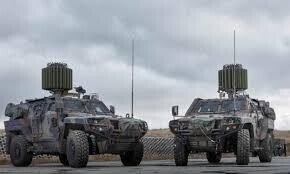
Both interests, though distinct, are beginning to overlap in the military sphere and in the control of airspace. Regional analysts warn that if the radar deployment is confirmed, Israel might be forced to adjust operational procedures, deepen coordination with other actors present in Syria, or increase the use of technological capabilities designed to evade or neutralize detection systems. In this context, the radar deployment is seen as a further step to exert effective influence over the territory and airspace.
The backdrop to this episode is the growing political and strategic tension between Israel and Turkey regarding the future of Syria. In Israeli defense circles, there is concern that an air surveillance system controlled by Ankara could allow for earlier detection of unauthorized military flights or condition the routes used in sensitive operations. They also note that the scenario raises questions about the degree of coordination — or friction — that Ankara would maintain with other military actors active in Syria.
For now, there have been no official announcements from Turkey confirming the immediate installation of the systems, nor public statements from Israel beyond leaks and internal assessments. The objective would be to expand its monitoring capacity of Syrian airspace, improve the coordination of its forces, and consolidate its permanent military presence beyond its southern border.
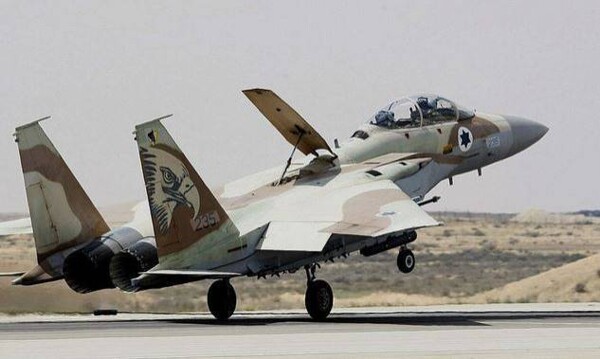
For Israel, this move represents a potentially disruptive factor. Since the beginning of the war in Syria, the Israeli Air Force has carried out hundreds of operations aimed at preventing the consolidation of Iranian military power and allied organizations, in particular the transfer of advanced weaponry to Hezbollah and other militias backed by Tehran. While a direct confrontation is not currently on the table, the mere fact that a regional actor with its own interests has greater visibility over Syrian skies is seen as an indirect restriction on Israeli operational freedom.
Turkey, for its part, maintains that its military presence in Syria responds to national security objectives, particularly the control of Kurdish militias it considers a direct threat. However, in recent years Ankara has expanded its regional agenda and seeks to position itself as a key player in the reconfiguration of Syria once the conflict enters a more stable phase.
Ankara's initiative unfolds in a scenario of growing strategic competition between the two countries for future influence in Syria, after more than a decade of civil war and fragmentation of state power. According to recent reports from regional and security sources, Turkey would be evaluating the deployment of advanced radars in areas under its sphere of influence in northern Syria.