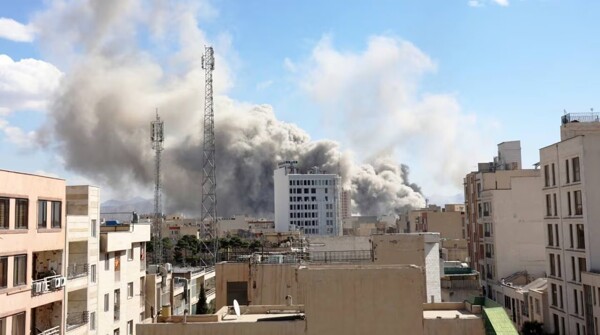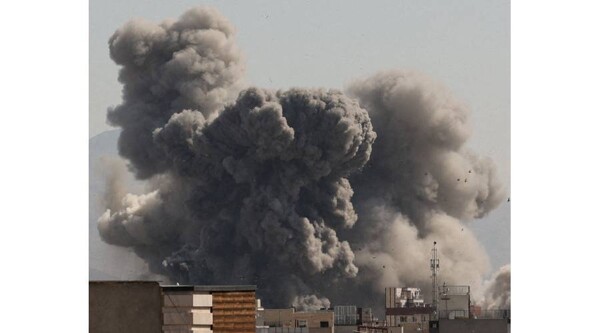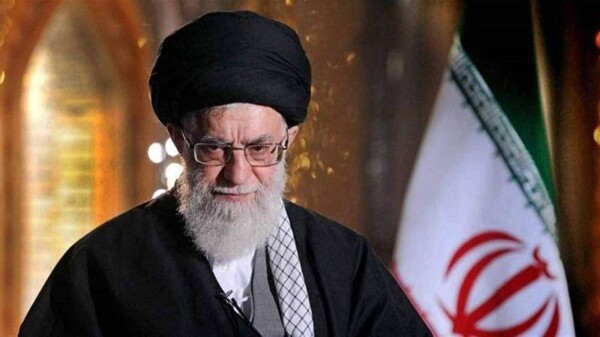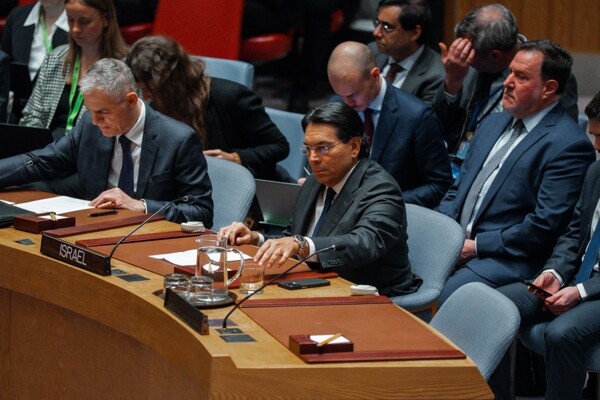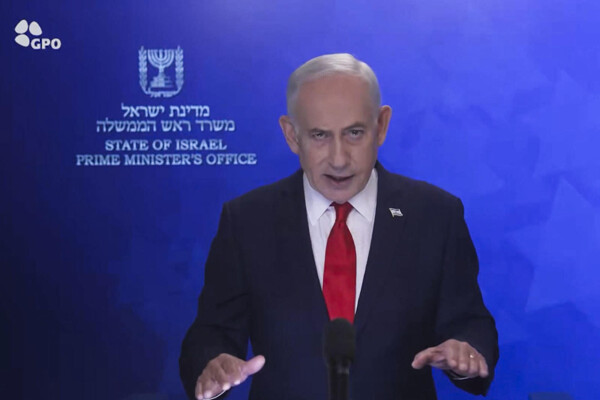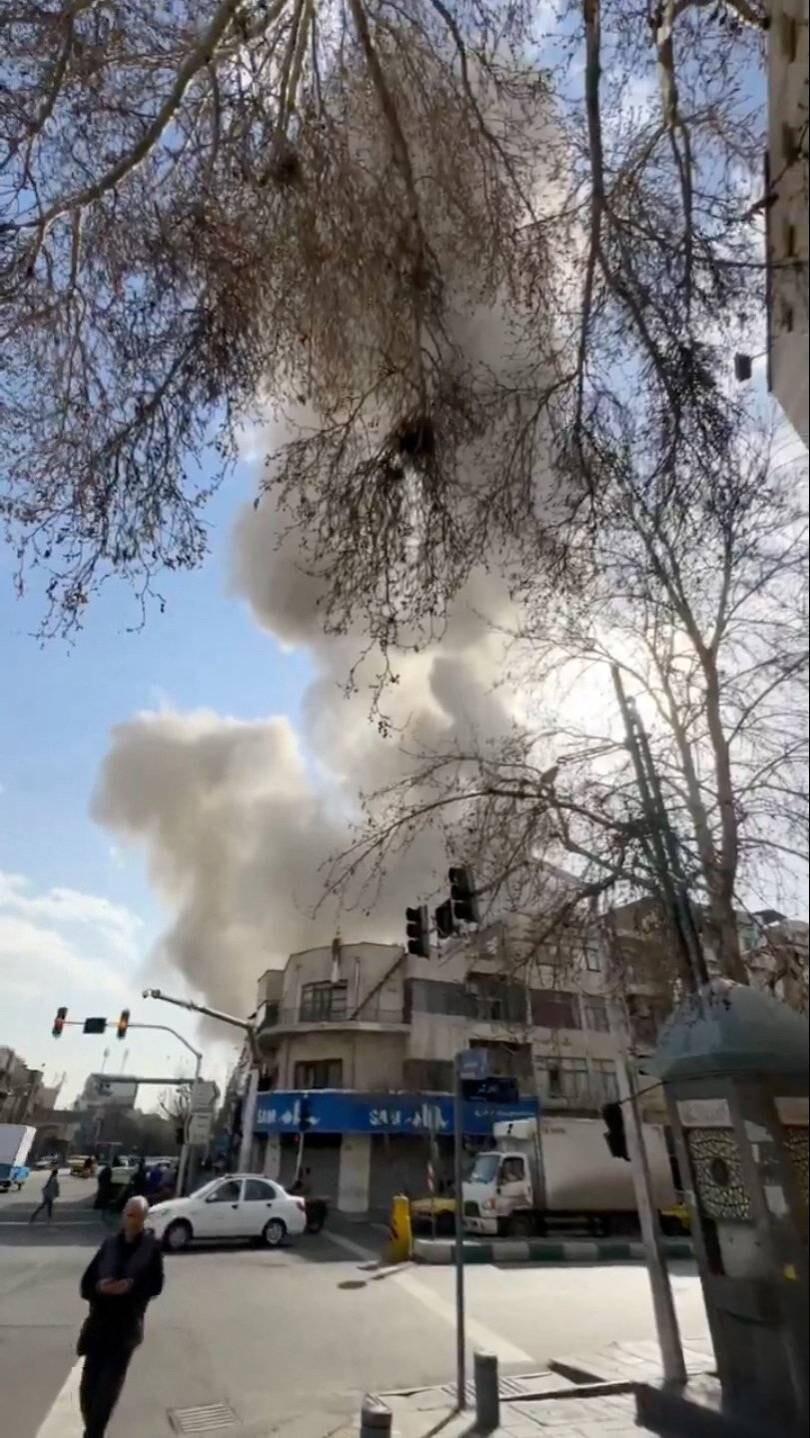
With missiles in the air and closed skies, foreign ministries shift from rhetoric to crisis management: evacuations, calls to citizens in the region, review of consular operations, and coordination of exit corridors where possible. For thousands of families, the conflict ceases to be a distant discussion and becomes a concrete urgency: sleeping near a shelter, locating loved ones, getting fuel, reprogramming routes, or simply resisting anxiety minute by minute. The big unknown at this hour is whether the escalation will stabilize in a limited exchange or enter a prolonged phase of attacks and reprisals. On the Israeli side, air raid sirens and civil defense alerts have become part of the daily pulse: authorities have asked the population to stay near shelters and follow internal command instructions due to the risk of impacts. Iran's response came quickly. Strong explosions shook Tehran and other points in the country, while Iranian airspace was completely closed, and Israel declared a "special and immediate state of emergency" in anticipation—which materialized a few hours later—of a retaliatory attack with missiles and drones. In any case, the message of the day is clear: the threshold of direct confrontation between the United States, Israel, and Iran has just been broken, and the political, human, and economic cost of that leap is already being felt throughout the region. The White House described the targets as military and strategic, with an emphasis on missile systems and capabilities that, according to the official narrative, feed Tehran's deterrence and projection power. In parallel, it emerged that Iran's political and military leadership had taken protective measures for its leadership, while assessing damage and reorganizing defensive capabilities. Beyond the direct exchange, regional fear rests on a concrete question: how quickly will the conflict expand? On the Middle East chessboard, the risk is not limited to pinpoint impacts but to a chain of reactions— allied militias, attacks on bases, tension on borders, pressure on maritime corridors—that can overflow the protagonists and drag in third parties. In the same vein, from Washington, President Donald Trump confirmed the direct participation of U.S. forces and stated that his country had initiated "major combat operations" on Iranian territory, on the grounds of curbing military capabilities that, according to his administration, could escalate into attacks against American interests and allies. In the first hours, the panorama in Tehran was one of maximum tension: columns of smoke on the horizon, intermittent communication cuts reported by residents, and restrictions on access to sensitive areas. In Israel, alerts were recorded in different regions and activation of anti-aircraft systems, while the magnitude of the launch was assessed. On the Israeli side, spokespeople insisted that the offensive sought to weaken infrastructure associated with immediate threats. In Iran, the total closure of airspace was combined with warnings about possible interruptions in transport and logistics, while the security apparatus reinforced its presence in strategic points. The Strait of Hormuz, through which a critical portion of global oil circulates, reappears as a sensitive point: any sustained disruption there translates into immediate nervousness in energy markets, navigation insurance, and transportation costs. On the diplomatic front, the shock effect is also evident. The offensive comes after weeks of cross-warnings and signs of fatigue in negotiation channels. Tehran's counterattack is already underway and raises the risk of a regional conflict with global impact. The operation was presented by the government of Benjamin Netanyahu as a "preventive" action to neutralize threats considered imminent to the State of Israel, in a framework where Jerusalem has maintained for years that Iran's nuclear program and missile advancement constitute an existential danger. The Islamic Revolutionary Guard Corps reported the start of a "first wave" of missile and drone attacks as retaliation for the aggression. At the same time, reports from the Gulf indicated that installations linked to U.S. forces in neighboring countries also came under operational tension, with reinforcement of protective measures and monitoring. The U.S. component amplified the scope of the clash. Israeli Prime Minister Benjamin Netanyahu announced on Saturday that Israel and the United States had launched an operation against Iran to "remove the existential threat"... Jerusalem-February 28, 2026-Total News Agency-TNA-The United States and Israel launched a large-scale military offensive against Iran this Saturday, pushing the Middle East into a scenario of open war.